 How-to
How to Test Indoor Air Quality at Home and Choose a Specialist
Last Updated: November 15, 2026
Quick Summary
An indoor air quality specialist inspects how air moves through a home, where pollutants come from, and whether the heating and cooling system contributes to the problem. Start with simple checks like looking for visible mold, musty odors, and condensation, then use a continuous monitor to track readings over time. Ask any indoor air quality specialist which approach they use and what the written report will contain.
- Look for visible mold, musty odors, window condensation, and dust that returns quickly after cleaning.
- Continuous air quality monitors are more reliable than a one-off test, according to Airthings.
- Consumer monitors can show patterns like high humidity but usually do not identify mold species or specific chemicals.
- There is no general OSHA indoor air quality standard, so specialist findings are judged against guidance, not a single legal threshold.
- Ask for a written report describing rooms inspected, measurements taken, sample locations, and recommended follow-up.
Table of Contents
- What an Indoor Air Quality Specialist Actually Does
- How to Test Indoor Air Quality at Home
- Indoor Air Quality Testing for Homes in Toms River
- How Air Duct Cleaning Relates to Indoor Air Quality
- Vetting an Indoor Air Quality Specialist Near Me
- Booking Your Home Air Quality Assessment With Wilson Carpet & Air Duct Cleaning, LLC
- Frequently Asked Questions
What an Indoor Air Quality Specialist Actually Does
Indoor air quality specialist work covers more than a single test.
Americans spend most of their time indoors, and the U.S. EPA guidance on indoor air quality and time spent indoors notes that some groups may be more vulnerable to indoor pollutants than others.
A specialist typically looks at how air moves through a home, where pollutants come from, and whether the heating and cooling system is part of the problem.
How to Test Indoor Air Quality at Home
Start with simple checks you can do yourself. Look for visible mold, musty odors, condensation on windows, and dust that returns quickly after cleaning.
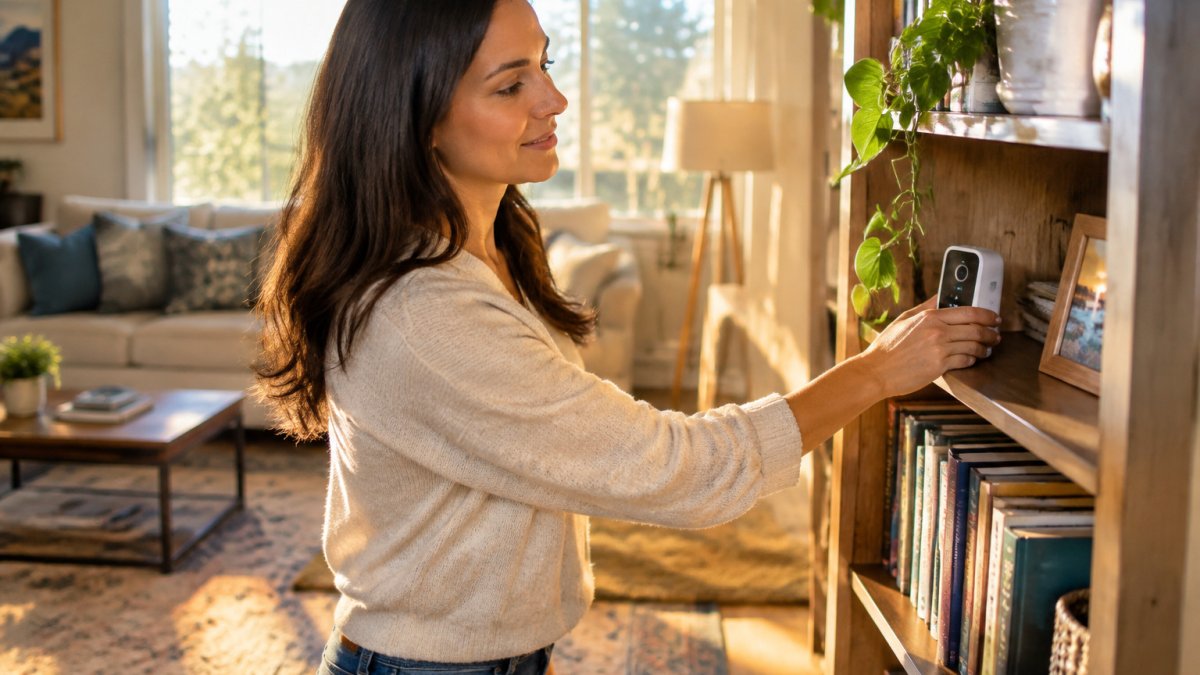
Air quality monitors can also help. Real-time monitors track measures such as particulate matter, carbon dioxide, humidity and temperature. A single reading is only a snapshot, so repeat checks at different times of day and in different rooms.
DIY Monitors and What They Can Tell You
Consumer monitors are useful for spotting patterns. Airthings, for example, says the most reliable way to test indoor air quality at home is with a continuous air quality monitor rather than a one-off test (Airthings guide to testing indoor air quality at home).
Keep expectations realistic. Most home monitors do not identify mold species, bacteria or specific chemicals. They can show that humidity is high or that particle levels spike when you cook or vacuum, which tells you where to focus next.
When a Professional Inspection Makes Sense
Consider a professional inspection when you notice persistent musty smells, recurring moisture, visible growth, or health symptoms that improve when you leave the home. The American Society of Home Inspectors describes indoor air quality reporting as a fact-finding snapshot with clear boundaries on what the inspector can and cannot conclude (ASHI, The Inspector's Guide to Indoor Air Quality).
Also note that there is no general OSHA indoor air quality standard for homes or workplaces. OSHA says it does not have a general IAQ standard, though it offers guidance on common complaints and ventilation (OSHA guidance on indoor air quality in commercial and institutional buildings).
Indoor Air Quality Testing for Homes in Toms River
Toms River and the surrounding Ocean County communities sit in a coastal-influenced climate where summer humidity, nor'easters, and seasonal temperature swings can push moisture into basements, crawl spaces, and wall cavities. That matters for indoor air because moisture is a common driver of mold, musty odors, and dust mite activity. A local indoor air quality specialist should be able to explain how those local conditions shape what they inspect.
A Homeowner's Step-by-Step Process
- Document the concern. Write down what you notice and when: musty smell in the basement after rain, condensation on bedroom windows in winter, dust returning within days of cleaning, or symptoms that ease when you leave the house. Note the rooms and times.
- Do a visual walk-through. Check for visible mold, water stains, peeling paint, loose caulk around tubs and windows, and clogged dryer vents. Look at the air handler and filter. These observations help a specialist focus the visit.
- Decide whether you need testing or an inspection. A visual inspection and moisture readings often answer the first question: is there a moisture or ventilation problem? Air, surface, dust, or moisture sampling may be useful when you need to confirm a suspected contaminant or establish a baseline, but sampling has limits.
- Ask how the specialist will investigate. A common pattern is a room-by-room walk-through with moisture meters, humidity readings, and HVAC checks, followed by targeted sampling only if the visual findings justify it. Ask what equipment they use and why.
- Review the written report. A useful report should describe what was inspected, what was measured, where samples were taken, what the results can and cannot establish, and what follow-up is recommended. Ask for the report in writing before work begins.
- Plan follow-up. If moisture is the issue, the fix is usually source control and ventilation, not a one-time cleaning. If ducts or dryer vents are part of the problem, schedule service and then recheck conditions.
What Sampling Can and Cannot Tell You
Air, surface, dust, and moisture sampling each answer different questions. Air sampling can show what was airborne during the sample period, but a single sample is a snapshot and may miss contaminants that settle or appear later.
Watch out: a report that lists a mold count without explaining where the sample was taken, how it was collected, and what the result can and cannot establish is hard to act on.
Credentials and Guidance in New Jersey
Certifications for indoor air quality work are issued by independent organizations, so verify any credential directly with the issuing organization. Ask the specialist which guidance they follow and how they document their conclusions.
Scheduling and Turnaround Expectations
Ask how soon an inspection can be scheduled, how long the visit takes, and when the written report will be available. Sample turnaround depends on the laboratory and the type of sample, so ask whether results are read on-site or sent to a lab and what the expected timeline is. Confirm whether the report includes photos, moisture readings, and a clear scope of what was and was not inspected.
How Air Duct Cleaning Relates to Indoor Air Quality
Dirty air ducts do not always cause poor air quality, but they can circulate dust, debris and allergens through the house. Read signs your home's air system needs professional attention to see what to look for.
At Wilson Carpet & Air Duct Cleaning, LLC, we recommend checking whether a dirty system is the cause before paying for cleaning. Our guide to whether air duct cleaning is really necessary walks through a balanced answer.
Vetting an Indoor Air Quality Specialist Near Me
Use this checklist before you hire anyone, and ask for answers in writing where possible.
- Confirm the service area. Ask whether the company serves Toms River and the surrounding Ocean County communities, and whether travel affects scheduling.
- Verify insurance and credentials. Ask for a certificate of insurance and the name of each credential the technician holds. Then verify the credential with the issuing organization rather than relying on a logo on a website.
- Ask what methods and equipment they use. A visual inspection with moisture meters and humidity readings is the foundation. Ask whether they use air, surface, dust, or moisture sampling, and why.
- Ask about independence. Some providers test and remediate, while others test only. Ask whether the person inspecting your home has a financial interest in the recommended repair, and whether testing and remediation are kept separate.
- Ask what the report will contain. A useful report should describe the scope, the rooms inspected, the measurements taken, where samples were collected, what the results can and cannot establish, and recommended follow-up. Ask for a sample report before booking.
- Ask what the inspection does not cover. No inspection can see inside every wall cavity or predict future conditions. A good provider will state the limits plainly.
Watch out: be cautious of anyone who promises a specific result before inspecting your home or who recommends remediation before explaining what the inspection found.
Good providers answer these questions plainly and put the scope and limitations in writing. Learn about our background and credentials on our about us page.
Booking Your Home Air Quality Assessment With Wilson Carpet & Air Duct Cleaning, LLC
If you are in Toms River and want an honest look at your home, Wilson Carpet & Air Duct Cleaning, LLC can help you decide whether testing, cleaning or no work at all makes sense. Visit our [affordable air duct cleaning in Toms River, NJ | page:3] page to see the service area and what a visit involves. For current prices or a quote, contact us directly.
Frequently Asked Questions
Is indoor air quality testing worth it?
Indoor air can carry dust, allergens, mold spores, and combustion byproducts, Testing shows which problems are actually present rather than guessing. For homes with allergy or breathing concerns, pets, or a history of moisture problems, a test gives you a documented starting point before you spend money on repairs or cleaning.
What does an indoor air quality specialist do?
An indoor air quality specialist inspects a home or building, takes measurements, and identifies likely sources of pollution such as moisture, poor ventilation, dirty HVAC components, or contaminated ductwork. They usually deliver a written report explaining what was found and what options exist. A specialist typically samples conditions at a point in time, so the report is a snapshot rather than a guarantee that conditions will stay the same.
Can dirty air ducts affect indoor air quality?
Yes. Dust, debris, and biological growth that collect inside ductwork can be pushed into living spaces each time the system runs. Dirty ducts also cause filters to clog faster, which forces the system to work harder to move air. At Wilson Carpet & Air Duct Cleaning, LLC, air duct cleaning is one service we offer, and we can help you check whether the ducts are contributing to the problem before you commit to a service.
What is the difference between an indoor air quality specialist and a home inspector?
A home inspector looks at the overall condition of a property, including structure, roofing, electrical, and plumbing, and may note air quality concerns as part of a general review. An indoor air quality specialist focuses specifically on air contaminants, ventilation, and moisture, and uses testing equipment to measure conditions. If your main concern is air quality, a specialist gives you more detailed information. Ask any professional which tests they perform and what their report will include.