 Listicle
9 Symptoms of Poor Indoor Air Quality in Your House
Last Updated: November 14, 2026
Quick Summary
Common symptoms of poor indoor air quality include eye, nose, and throat irritation, headaches, dizziness, fatigue, and sneezing or congestion, especially when they ease after leaving the house. Dust that settles quickly and musty odors can also signal a problem. Because these signs can have other causes, they are clues rather than proof of poor indoor air quality.
- Symptoms that improve when you leave the house point toward the home itself.
- More than one person affected suggests a shared source rather than individual allergies.
- Sudden headaches with nausea or drowsiness in a home with gas appliances can signal carbon monoxide.
- Carbon monoxide symptoms require getting everyone outside and calling 911 right away.
Table of Contents
- Common Symptoms of Poor Indoor Air Quality at Home
- What Are the 4 Major Indoor Air Pollutants and Where They Come From
- When to Call a Professional and Next Steps for Cleaner Air in Your Toms River Home
- Frequently Asked Questions
Common Symptoms of Poor Indoor Air Quality at Home
Poor indoor air quality often shows up as ordinary complaints that are easy to dismiss. If these signs sound familiar, see the guide on signs your home's air system needs professional attention.
Watch for these patterns at home:
- Eye, nose, or throat irritation that eases when you leave the house
- Headaches or a heavy feeling in the head
- Dizziness or unusual tiredness
- Sneezing, congestion, or itchy eyes, especially in the morning
- Coughing or wheezing, particularly for anyone with asthma
- Dry skin or a scratchy throat
- Dust that settles quickly on surfaces
- Musty or stale odors that come and go
- Symptoms that worsen in bedrooms or closed rooms
Pay attention to where and when symptoms happen. Symptoms that improve away from home point toward the house itself. Sudden headaches, nausea, or drowsiness can signal carbon monoxide, which needs immediate action.
Patterns That Point to the House, Not the Season
- Symptoms ease outdoors or on vacation. If congestion, headaches, or coughing lift within a day or two away and return soon after, the indoor environment deserves a closer look.
- More than one person is affected. Shared air is more likely than individual allergies.
- Symptoms cluster in specific rooms. Bedrooms, basements, and bathrooms with poor ventilation or damp surfaces are common culprits.
Mild, Worth Watching, or Call for Help
- Mild and intermittent: occasional sneezing or a scratchy throat that clears when you leave a room. Log when and where it happens, then check ventilation, filters, and moisture.
- Persistent or worsening: daily headaches, ongoing congestion, or symptoms spreading to multiple family members. Schedule a professional inspection and talk with a healthcare provider.
- Urgent: sudden headaches with nausea, dizziness, confusion, or drowsiness in a home with gas appliances or a fireplace can signal carbon monoxide. Get everyone outside and call 911.
Who May Be More Vulnerable
Children, older adults, and people with asthma, allergies, or other respiratory conditions often feel poor indoor air quality first and most strongly. A healthcare provider can help connect symptoms to triggers, while a home inspection can help find the source.

The article lists several patterns that help separate house-related air problems from other causes.
| Pattern | What it suggests | Next step |
|---|---|---|
| Symptoms ease outdoors or on vacation | Indoor environment | Look more closely at the home |
| More than one person affected | Shared air | Check whole-house sources |
| Symptoms cluster in certain rooms | Poor ventilation or damp surfaces | Inspect bedrooms, basements, bathrooms |
| Timing follows home events | New paint, furniture, renovation, or furnace startup | Review recent changes |
| Symptoms track the weather | Coastal humidity or closed-up winter air | Monitor moisture and ventilation |
What Are the 4 Major Indoor Air Pollutants and Where They Come From
Four pollutant groups account for most indoor air problems in homes.
- Particulates: dust, pet dander, pollen, and smoke particles, often from carpets, bedding, and outdoor air.
- Volatile organic compounds: vapors from cleaning products, paints, air fresheners, and new furnishings.
- Biological contaminants: mold, mildew, and dust mites that thrive in damp areas.
- Combustion gases: carbon monoxide and nitrogen dioxide from furnaces, gas stoves, and fireplaces.
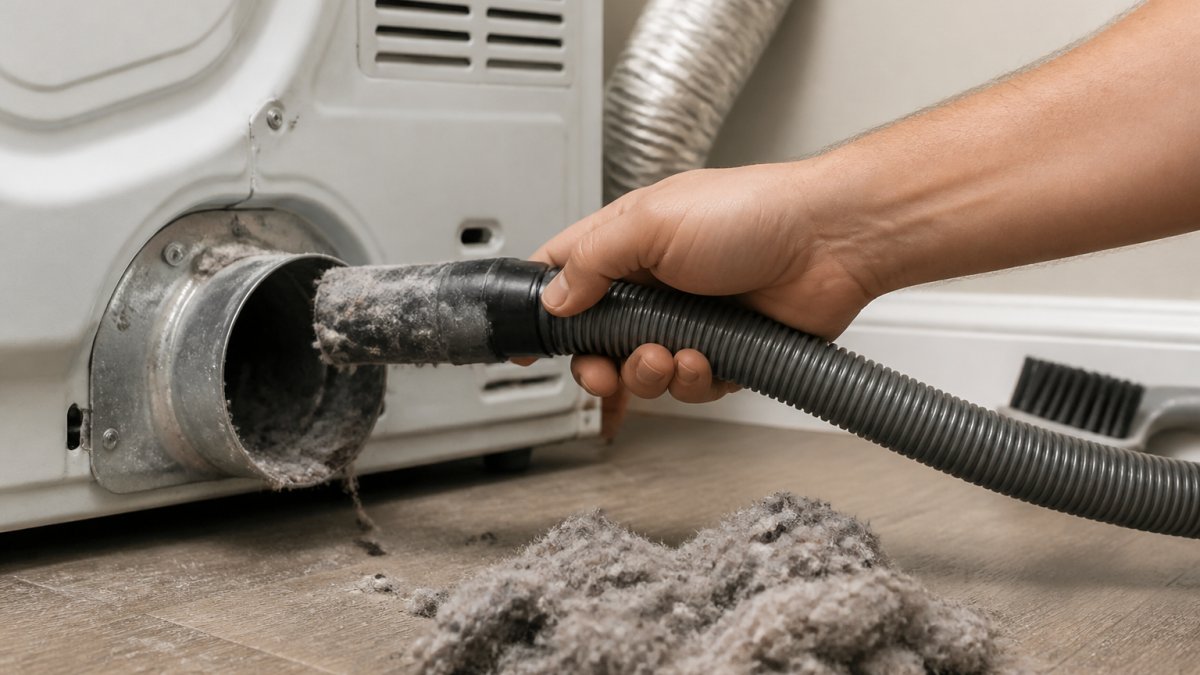
Ducts and dryer vents can move these pollutants through the whole house. For a step-by-step way to check your own home, read How to Test Indoor Air Quality at Home Step by Step.
How Each Pollutant Tends to Show Up
- Particulates often produce sneezing, congestion, itchy eyes, and a cough that worsens in carpeted rooms.
- Volatile organic compounds can cause headaches, dizziness, eye and throat irritation, and a chemical smell after painting or new furniture.
- Biological contaminants frequently cause musty odors, morning congestion, and allergy-like symptoms in damp basements or bathrooms.
- Combustion gases are the most urgent. Carbon monoxide is odorless and can cause headaches, nausea, dizziness, and drowsiness (the CDC).
A Safe Way to Investigate Likely Sources
- Walk the home and note moisture. Check under sinks, around windows, in basements, and near bathroom fans for dampness or musty smells.
- Test ventilation. Run bathroom and kitchen exhaust fans and confirm air is moving.
- Look at combustion appliances. Confirm the furnace, water heater, gas stove, and fireplace are vented properly and that carbon monoxide alarms work.
- Review recent changes. New paint, furniture, or renovations can release vapors.
- Check filters and vents. Dirty HVAC filters, blocked return vents, and clogged dryer exhausts reduce airflow and spread dust and moisture.
- Track symptoms alongside findings. Keep a simple log of rooms, times, and activities.
Do not open furnace panels, disconnect gas lines, or attempt to clean mold over large areas yourself. Those tasks belong to qualified professionals.
Why Toms River and Ocean County Homes See These Pollutants
Coastal humidity in Ocean County can keep basements and crawl spaces damp, feeding mold and dust mites. Wilson Carpet & Air Duct Cleaning, LLC, a locally owned and veteran-owned business in Toms River, provides air duct cleaning and affordable air duct cleaning in Toms River, NJ for homeowners who want a closer look at their system.
When to Call a Professional and Next Steps for Cleaner Air in Your Toms River Home
Start with simple checks. Change filters on schedule, run exhaust fans while cooking and showering, and open windows when weather allows. If symptoms continue, or you see visible mold or heavy dust buildup, a professional inspection helps identify the source.
If you are unsure whether a cleaning is worth it, read Is Air Duct Cleaning Really Necessary? A Homeowner's Guide. Carbon monoxide symptoms, chest pain, or difficulty breathing require calling 911 right away.
Frequently Asked Questions
How do you know if your indoor air quality is bad?
Recurring symptoms that ease when you leave the house are a common sign. Watch for headaches, eye, nose, and throat irritation, dizziness, and fatigue that show up at home and fade elsewhere. Symptoms alone do not prove the cause is indoor air, since many conditions produce similar signs. Look for patterns, such as symptoms worsening in one room, after cleaning, or during humid weather. A home indoor air quality test or a visual inspection of your ducts and dryer vent can help you narrow down likely sources before deciding on next steps.
How can I test indoor air quality at home?
A basic indoor air quality monitor can track particulate matter, humidity, carbon dioxide, and volatile organic compounds, giving you a general picture of conditions in your home. Monitors are useful for spotting trends but cannot identify every pollutant or confirm a specific health cause. Professional indoor air quality testing goes further and can measure contaminants more precisely. Whichever route you choose, compare readings over several days and note when symptoms occur.
When should I seek medical care for symptoms that may be related to indoor air?
Seek prompt medical attention if you experience sudden headaches, nausea, dizziness, drowsiness, or confusion, especially if several people in the home feel ill at once. These can signal carbon monoxide poisoning, which requires immediate action. Call 911 if symptoms are severe or someone has difficulty breathing. For ongoing irritation, asthma flare-ups, or breathing problems that persist, see a doctor and mention the pattern you have noticed at home.